Meaning and Intention – Lessons on Purpose in Literature
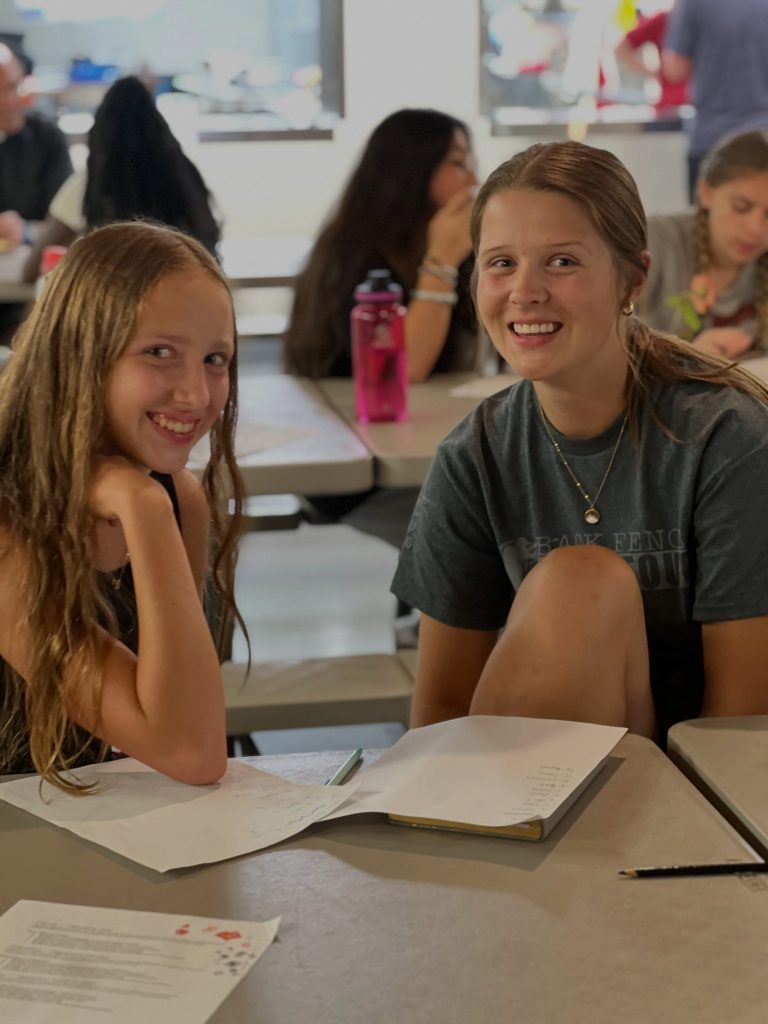
A Quick Note to Parents from Mrs. Douglas-Fowler: Students in British Literature and American Literature have started our second quarter strong! Before moving into our topics of inquiry for the coming weeks, I want to take a moment to say that parents and students should be proud of all we accomplished together as a class, thus far. We’ve learned how to speak, listen, and write collaboratively, and individually. I think that’s incredible, and speaks volumes of the community of our class, and the dedication of the students, and the support of our families. Thank you for an exceptional start to the year, and the blessing that is the opportunity to work with your children. Final grades, with comments, will be posted after our faculty workday, Friday, Oct. 23rd. If you have questions or would like to discuss your child’s progress in my class, please schedule a conference using the email sent home for the PTCFast Scheduler. If you are unable to attend the times or dates available, please message me to find an alternative solution!
American Literature students (11th and 12th grades) are continuing their close reading of The Great Gatsby. Throughout the unit we have focused on The American Dream. Students have worked to define it and are now applying it to characters in the novel. They are studying how language, particularly understatement, illuminates particular characters’ ability or inability to achieve it. Moving forward, students will write and research to examine, and defend, whether the current American Dream has changed, and for whom it can be achieved.
British Literature students (9th and 10th grades) are continuing their close reading of The Canterbury Tales. Throughout the unit we have focused on key literary elements, such as theme, irony, hypocrisy, and satire. Students have worked to define how these terms work together and are now applying it their reading of “The Nun’s Priest’s Tale”. They are studying how language conveys a message, even if the moral is not a direct correlation or is explicitly stated. Their skills in inference and recognition are right on track! Moving forward, students will write their own morality tale using literary elements and linguistic structure we discussed in our examination of Chaucer.